How to Visit the Reichstag Dome in Berlin: Free Entry, Registration & Hours
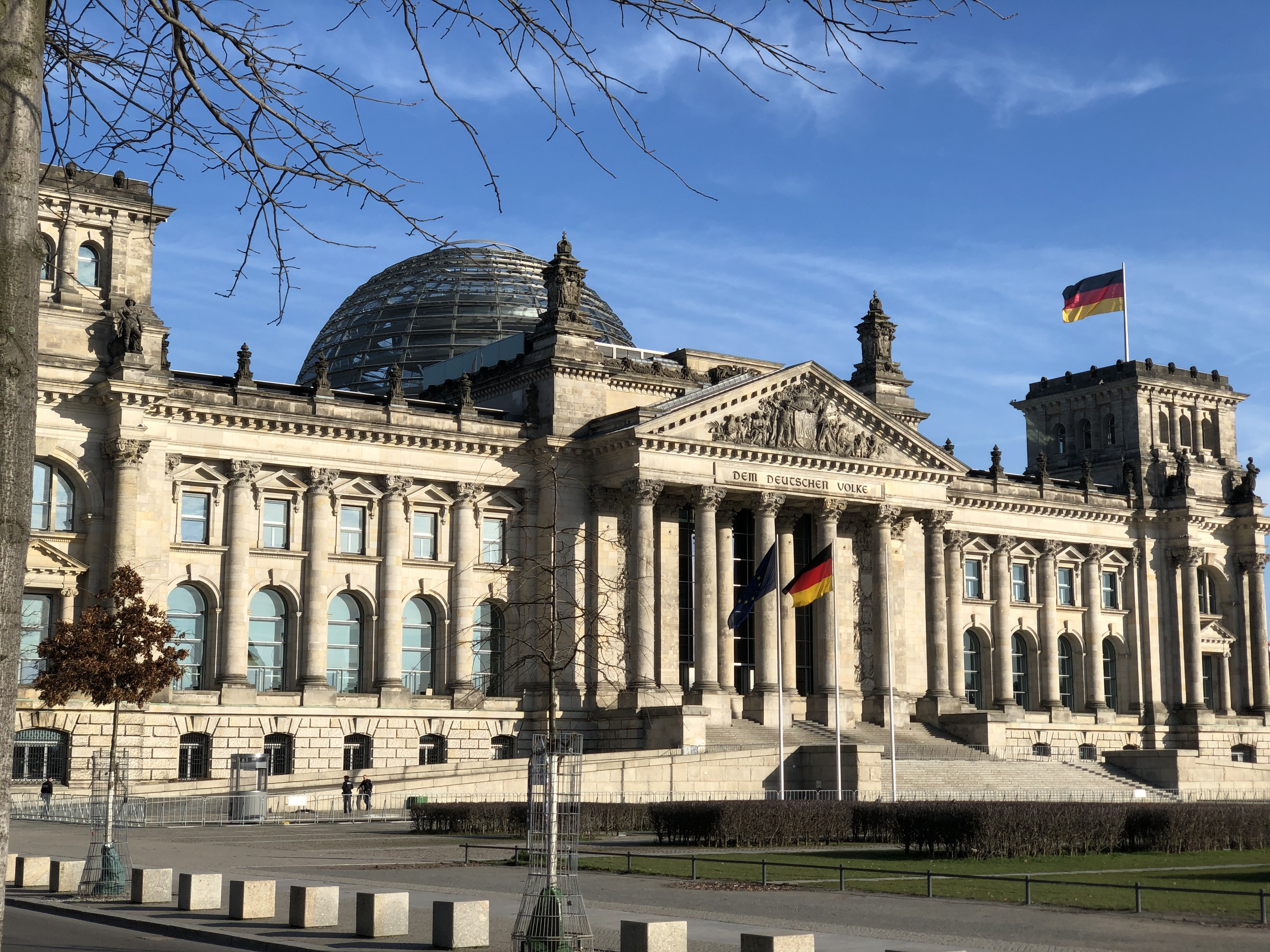
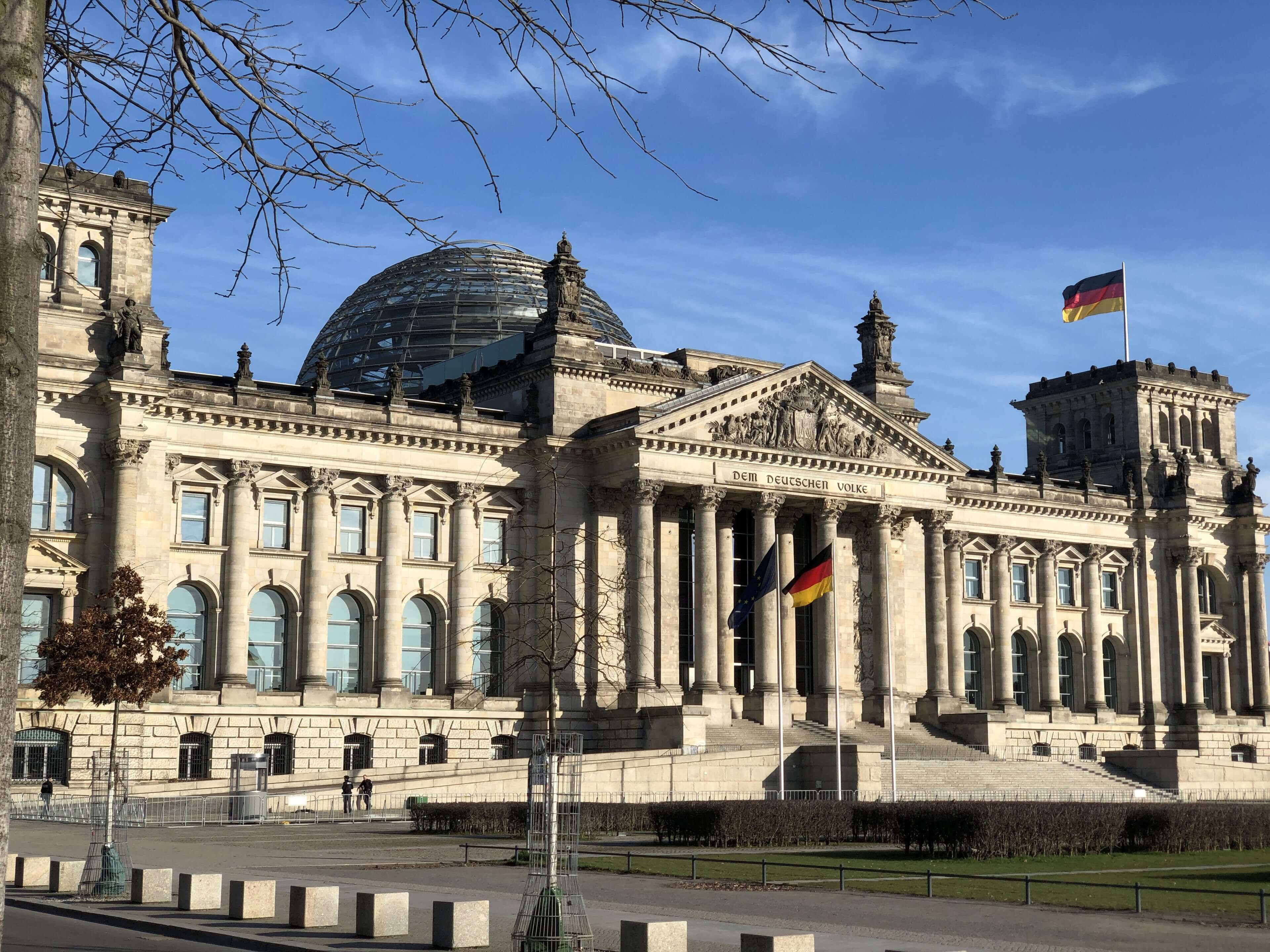
The Reichstag is one of Germany's most important historic buildings. Opened in 1894 as the parliament of the German Empire, it was badly damaged in the 1933 Reichstag Fire, heavily bombed during World War II, and stood beside the Berlin Wall during the Cold War. Following German reunification, it was restored by British architect Norman Foster and became the seat of the Bundestag in 1999.
Visiting the Reichstag's glass dome is completely free — but you can't just walk in. You must register in advance through the official Bundestag visitor service, bring the photo ID you registered with, and pass an airport-style security check. The dome and rooftop terrace are open daily from 8am to midnight, and in summer the slots book out weeks ahead, so reserve as soon as your Berlin dates are set.
I'm Jeremy, and I like the Reichstag because it looks like a viewpoint but tells a much deeper story: empire, fire, dictatorship, division, reunification, and the fragile architecture of democracy. Here's exactly how to get up there without the common mistakes.
Is the Reichstag dome free to visit?
Yes. Entry to the dome and the rooftop terrace is free of charge, including a free audio guide inside the dome. The only real cost is the time you lose if you don't plan ahead: because it's free and famous, demand is enormous, which is why registration exists.
Do you need to book in advance, and how do you register?
Yes — for almost everyone, advance registration is essential, and everyone in your party must be registered, including children. Book through the official Bundestag visitor service — that's the only free, official channel. Registration opens about three months before your visit date on a rolling basis, with slots released every 15 minutes. You'll enter the full name and date of birth of every visitor, and on the day you must bring the exact photo ID you registered with, plus your confirmation. In peak summer (roughly June–September), the popular midday slots can fill within the first week of opening, so book the moment your dates are fixed.
What if it's sold out?
You have three fallbacks. First, the Visitors' Service Centre near the Reichstag on Scheidemannstraße (about 150 m from the building) issues any free slots in person — but only if places remain, and a slot must be issued at least two hours before entry, for that day or the next two days. In busy periods, go early, bring photo ID for everyone, and don't assume same-day slots will be available. Second, booking a table at the rooftop Käfer restaurant gets you into the building (you pay for the meal, not the access). Third, some guided tours include registration for dome access — but access still depends on Bundestag availability and short-notice security closures.
What are the opening hours?
The dome and roof terrace are open daily, 8am to midnight, with last admission at 9:45pm, in 15-minute intervals. The site is closed all day on 24 December and closes early on 31 December (last entry 2:30pm). The dome also shuts for several short maintenance periods through the year; the roof terrace stays open when the dome is closed. As of 2026, the dome is closed for maintenance on 15–19 June, 29 June–3 July, 14–18 September, 28 September–2 October, and 19–30 October — always check the official site for the current year's dates, plus any short-notice security or state-event closures.
What's the difference between the Reichstag and the Bundestag?
A question worth answering, because the building and the institution aren't the same thing. The Reichstag is the building; the Bundestag is the German federal parliament that sits inside it. So you visit "the Reichstag" to see "the Bundestag" at work.
What will you actually see up there?
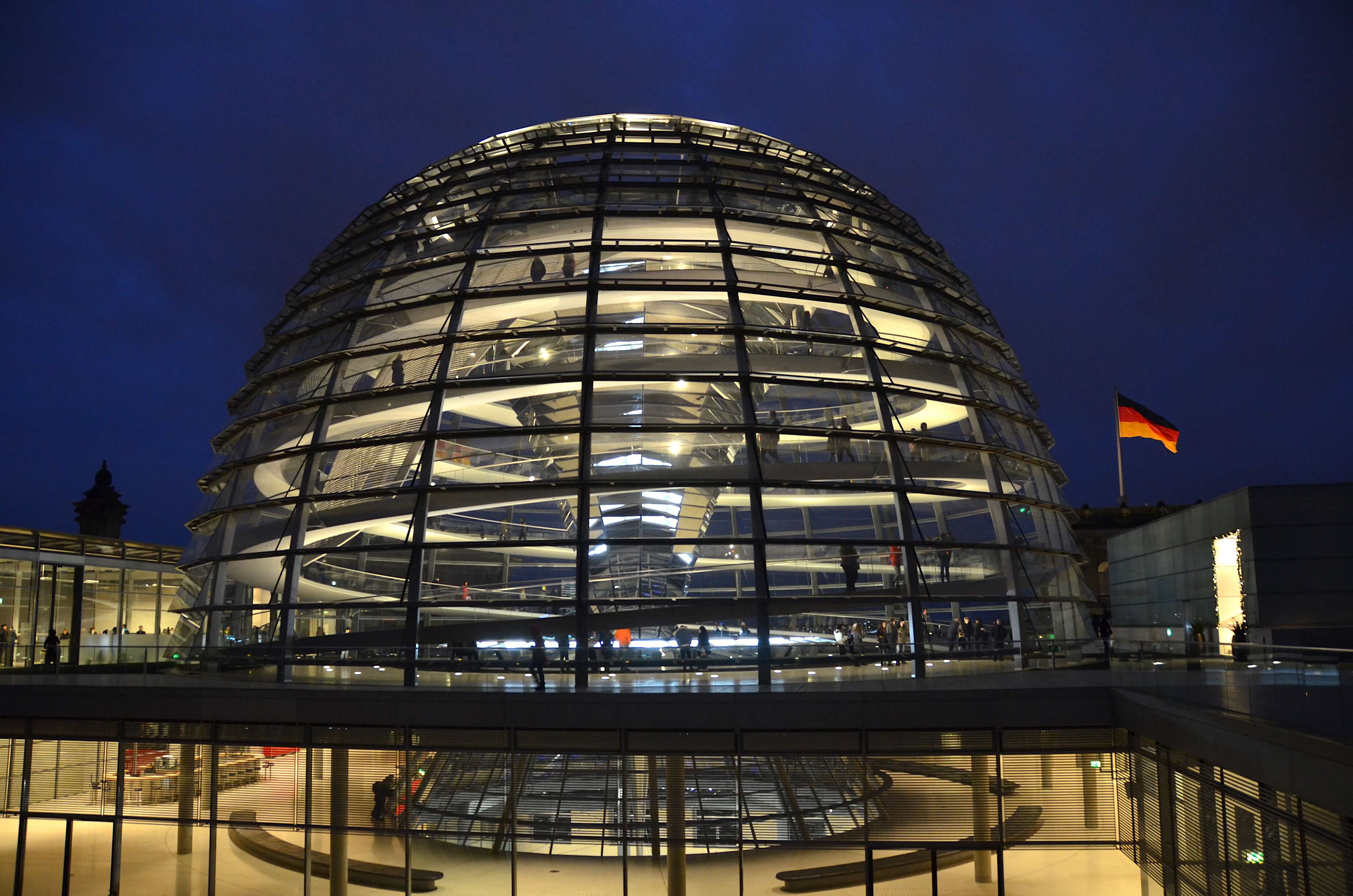
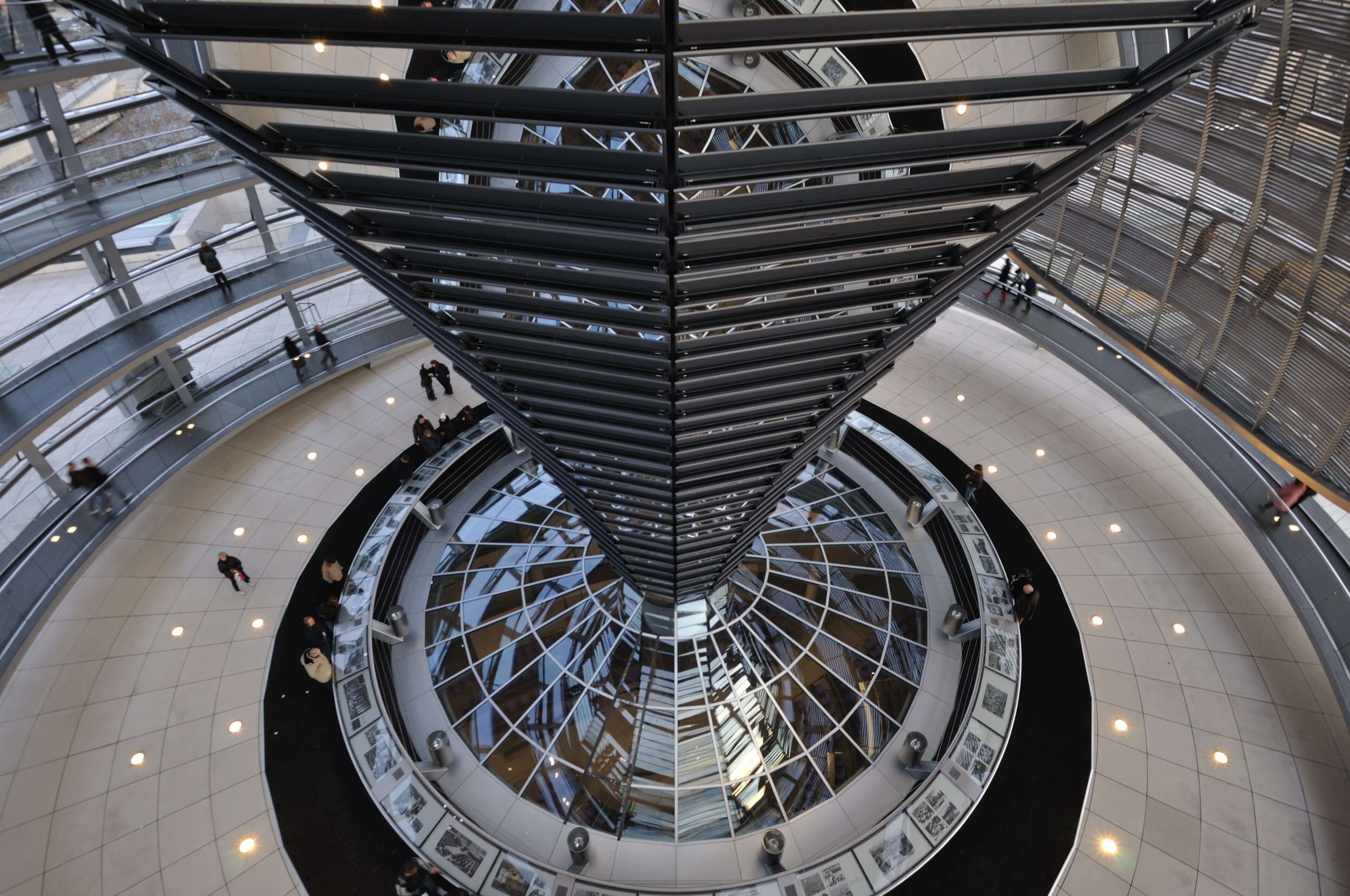
You walk a 230-metre spiralling ramp up the inside of Norman Foster's glass dome, with a free audio guide (in twelve languages) that narrates the skyline as you climb. The views over the Tiergarten, the Brandenburg Gate, and the government quarter are among the best in the city. The dome was intentionally designed after reunification as a symbol of transparent democracy. Visitors walk above the parliamentary chamber, reflecting the idea that elected representatives remain accountable to the people. For the best light and smaller crowds, aim for the first morning slot or late evening, when the city is lit up.
How do you get there?
The Reichstag is in the government quarter beside the Tiergarten. The U5 stops at Bundestag, right by the building, and bus 100 stops outside at "Reichstag/Bundestag." It's also a short walk from Brandenburger Tor (U5 and S-Bahn) and Berlin Hauptbahnhof. It sits within easy reach of the Brandenburg Gate and the Holocaust Memorial, so it slots naturally into a day in the centre — which is exactly how I work it into my Overview tour of Berlin, where the building's history is the real story behind the view.
Many visitors are surprised to learn that the famous 1945 photograph of Soviet soldiers raising a flag over the Reichstag was staged after the battle and later became one of the defining images of the Allied victory over Nazi Germany.
In 1995, artists Christo and Jeanne-Claude wrapped the entire Reichstag in silver fabric, attracting millions of visitors and helping redefine the building as a symbol of a reunited Germany.
After guiding visitors through Berlin for more than 20 years, I've found that many people come for the view but leave remembering the stories — the Reichstag Fire, the Soviet assault in 1945, the years it stood beside the Berlin Wall, and how Germany rebuilt its democracy after reunification.
Frequently Asked Questions
Is the Reichstag dome free?
Yes. Entry to the dome and rooftop terrace is free, including an audio guide. You only need to register in advance.
Do you need to book the Reichstag in advance?
Yes. Advance registration is required for almost all visitors, and in summer slots fill weeks ahead. Spontaneous walk-in entry is rarely possible.
How do you register to visit the Reichstag dome?
Register free through the official Bundestag visitor service (bundestag.de/en/visittheBundestag/dome/registration). Booking opens about three months before your date, and you must provide each visitor's full name and date of birth and bring matching photo ID on the day.
Can you visit the Reichstag without a reservation?
Only if same-day slots remain at the Visitors' Service Centre on Scheidemannstraße — issued at least two hours before entry, for that day or the next two days — or by booking the rooftop Käfer restaurant, or a guided tour that includes registration for dome access (subject to Bundestag availability and security closures).
What are the Reichstag dome opening hours?
The dome and roof terrace are open daily from 8am to midnight, with last admission at 9:45pm. The site closes on 24 December, closes early on 31 December, and the dome shuts for occasional maintenance (the terrace stays open) — check the official site for current dates.
What is the difference between the Reichstag and the Bundestag?
The Reichstag is the building; the Bundestag is the German federal parliament that meets inside it.
Related Berlin guides
Where Can You Still See the Berlin Wall Today?
How to Visit Potsdam from Berlin: Sanssouci, Cecilienhof & the Perfect Day Trip
The Stauffenberg Plot: A Failed Attempt to Assassinate Hitler
The Stauffenberg Plot: The 20 July 1944 Attempt to Kill Hitler (Operation Valkyrie)